Wake Up Happy. 30-Day Money-Back Guarantee.
A Common Hangover Remedy Has Been Noted For Liver Protection
By Claire Whitfield
Health Correspondent | Published July 13, 2026
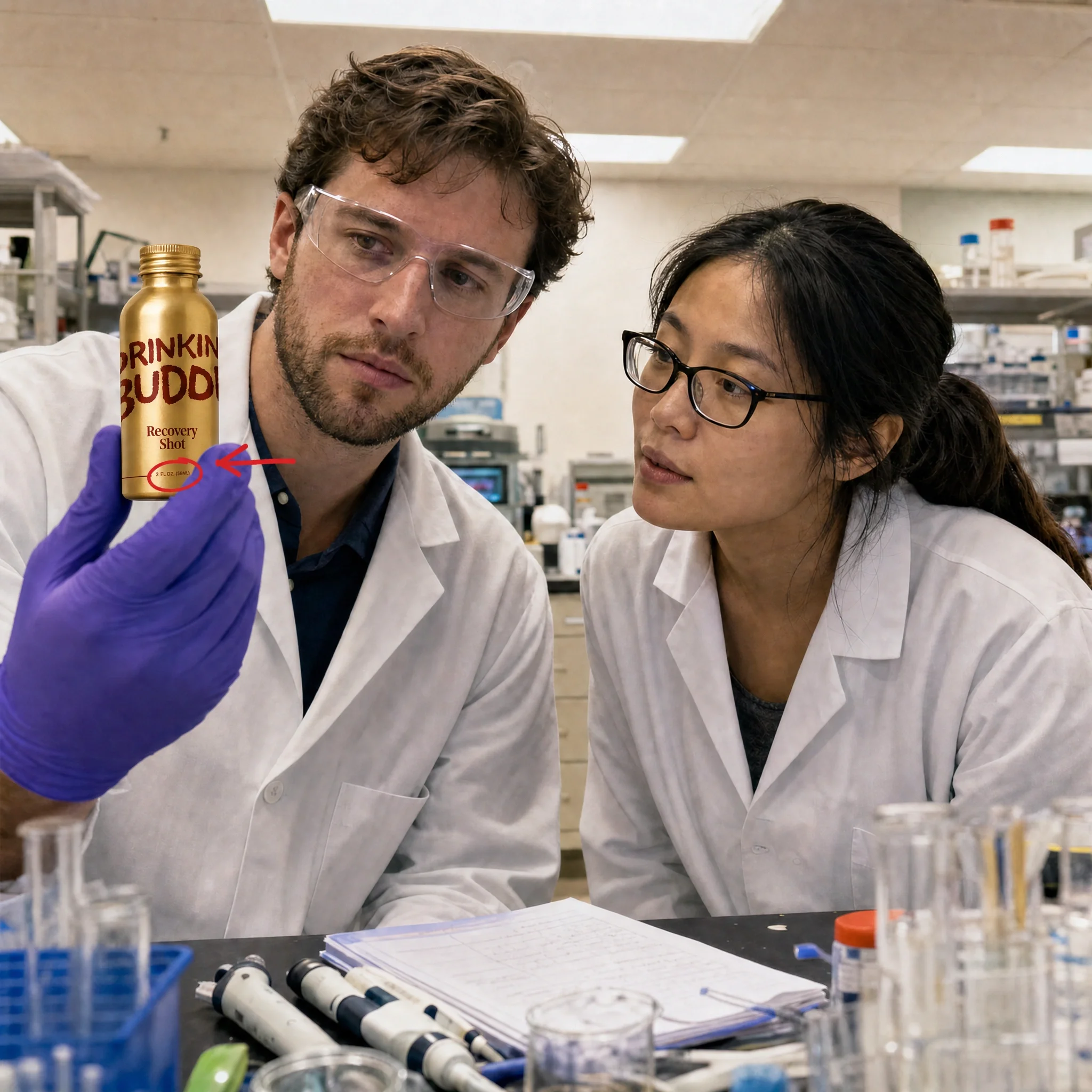
A recent university study on a compound called dihydromyricetin, or DHM, found something researchers weren't fully expecting.
The compound didn't just ease hangover symptoms.
It appeared to protect the liver during and after alcohol exposure.
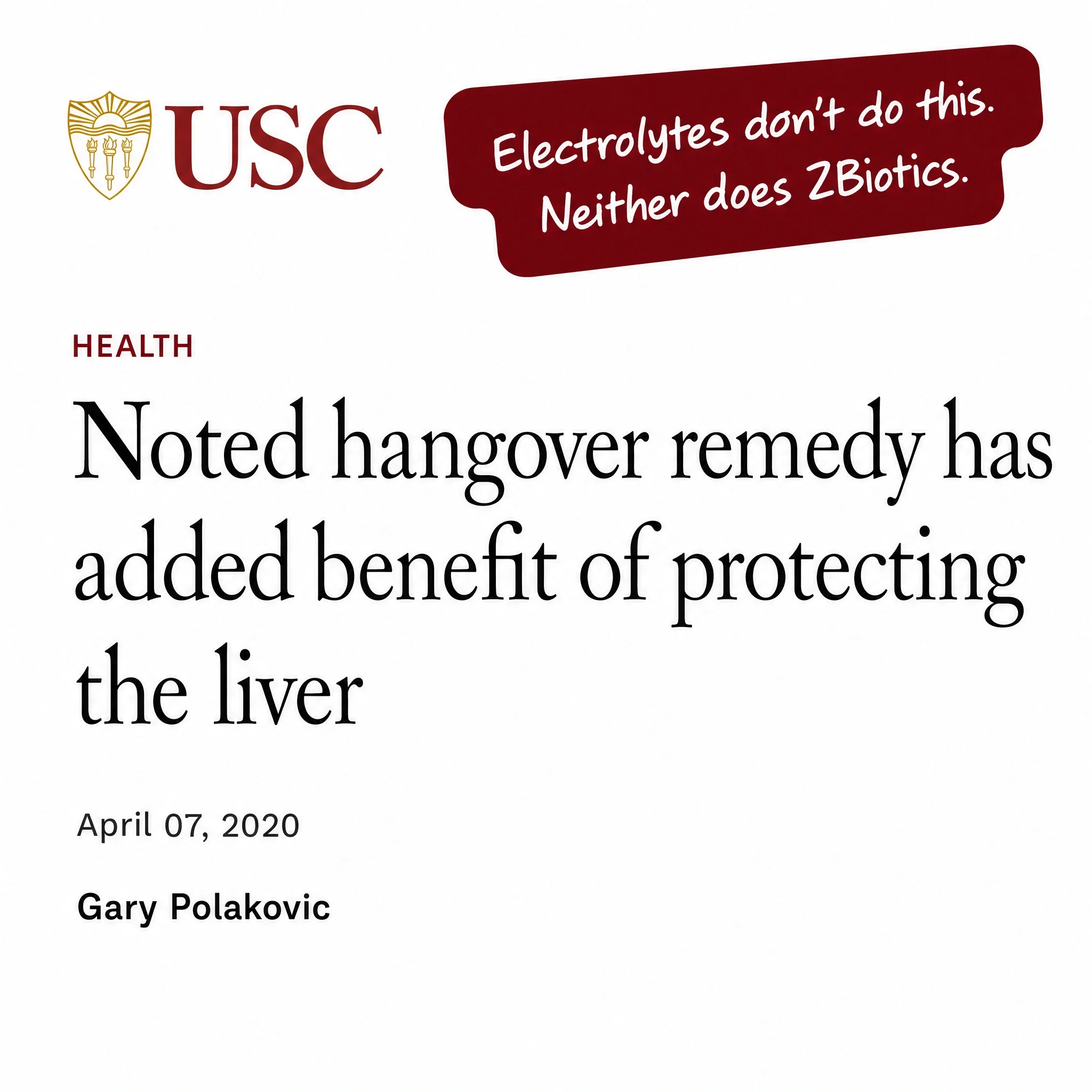
That distinction matters more than it sounds like it should.
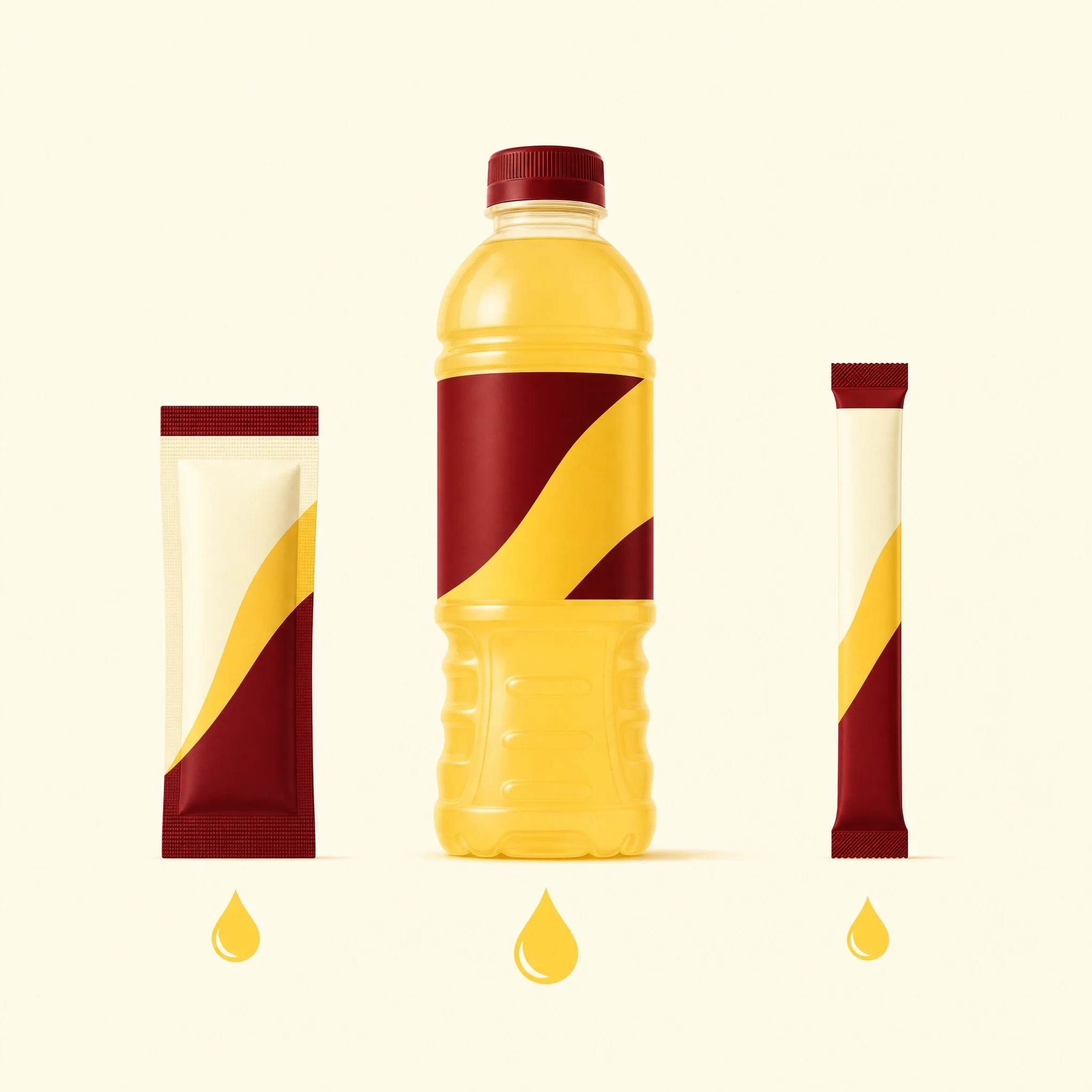
Most products marketed for "the morning after" are built around one idea: replace fluids.
Electrolyte mixes. Sports drinks. Powder packets you stir into water before bed.
They treat dehydration, but it is only a small piece of why people feel wrecked the next day.
Newer entrants like ZBiotics take a different route, targeting the gut with a genetically engineered probiotic taken before drinking.
Also useful. Still incomplete, because of where alcohol is actually processed.
Less than 5% of the alcohol you drink is actually processed in your gut.
The other 95% goes straight to your liver.
That's where the damage happens.
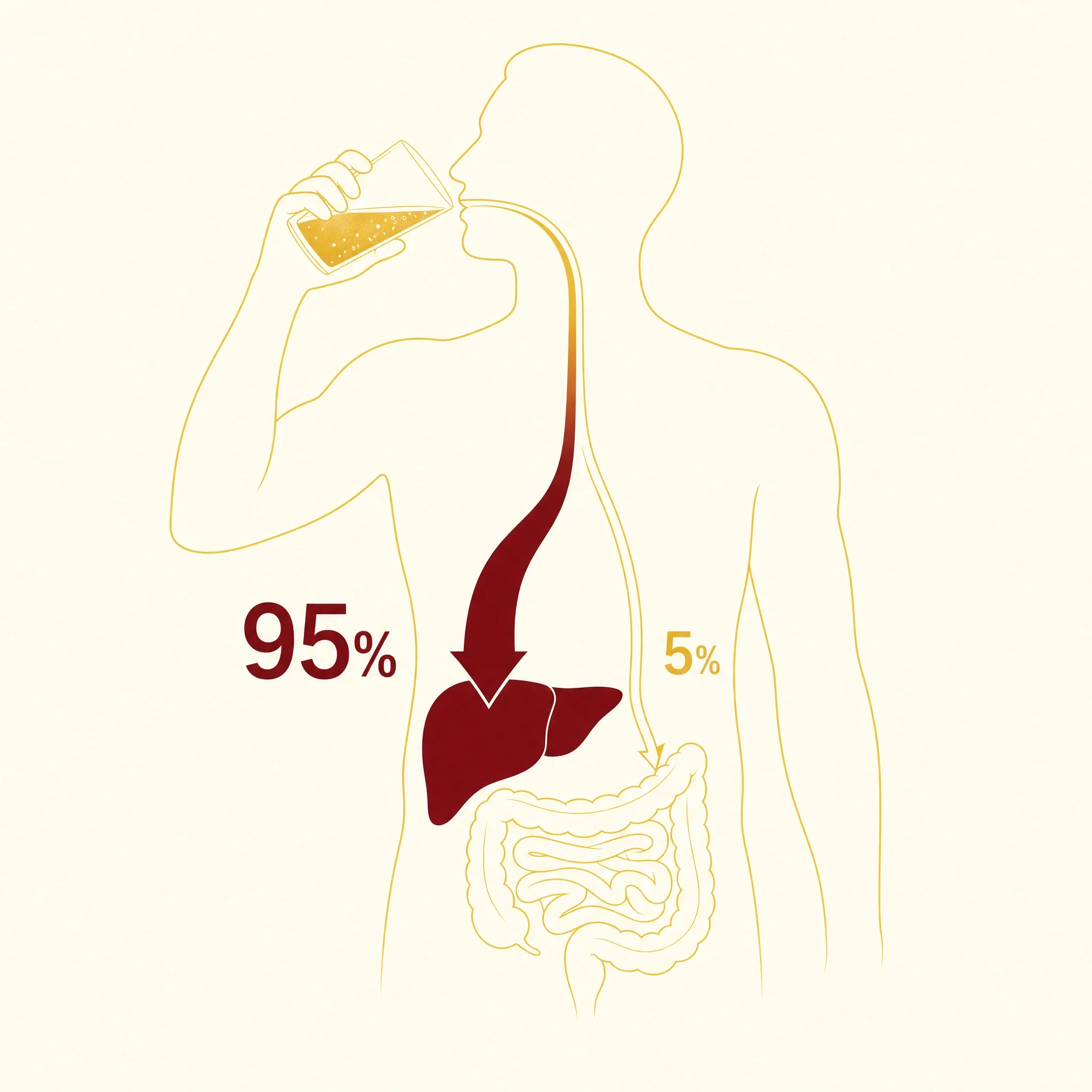
And until recently, it's the one part of the equation almost nothing on the shelf was built to address directly.
Researchers studying DHM believe that's the missing piece.
What DHM Actually Is
Dihydromyricetin is a flavonoid, a category of plant compound found in foods like grapes, blueberries, and mulberries.
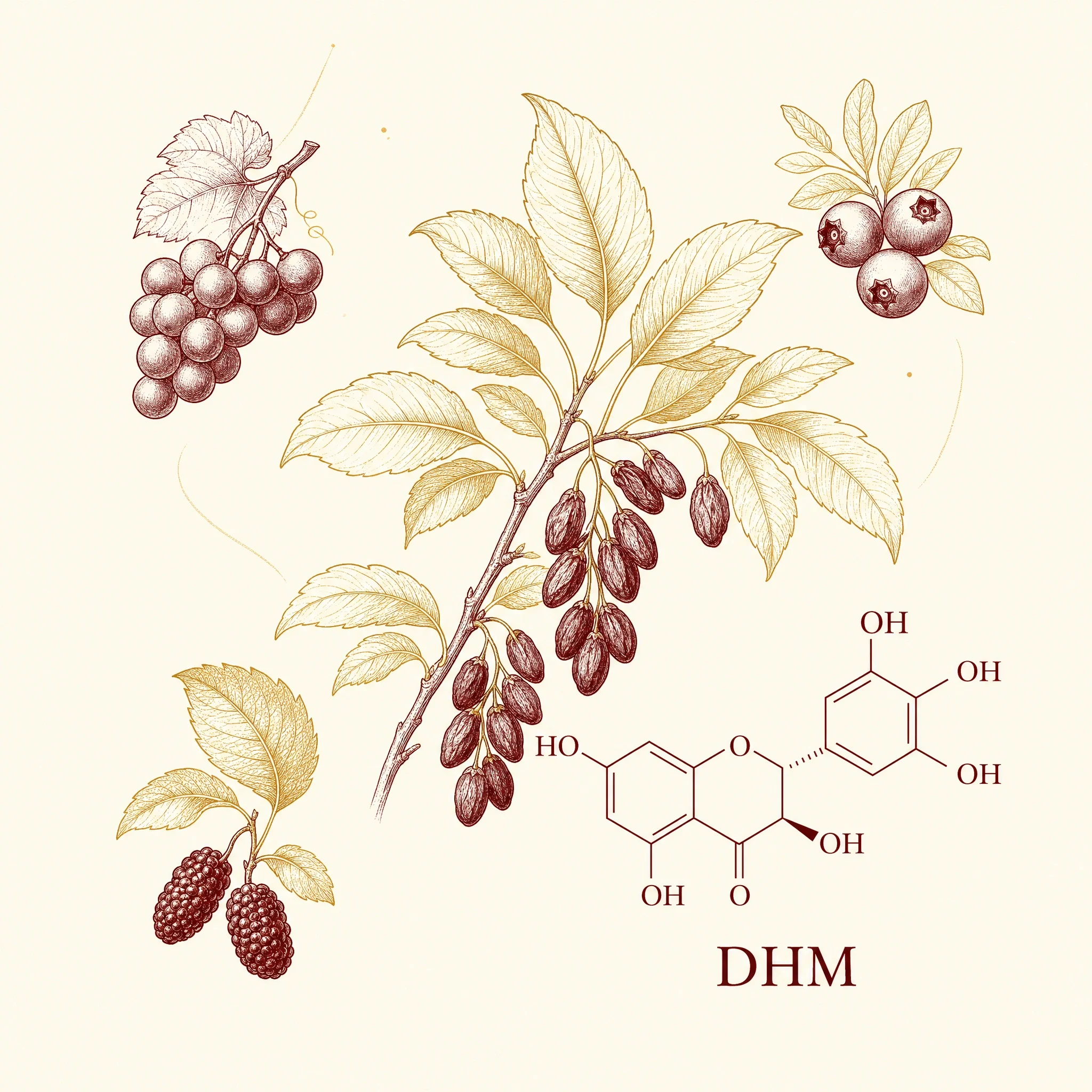
The richest natural source is Hovenia dulcis, known as the Japanese Raisin Tree, native to East Asia.
Its stems and leaves can contain up to 30 to 40% pure DHM by weight.
Practitioners in East Asia have used it after drinking for centuries.
The first written record dates to 685 AD, during the Tang Dynasty.
What's changed is that modern researchers have started figuring out why it worked.
How It Works On The Liver
When you drink, your liver breaks alcohol down using two enzymes: ADH and ALDH.
The first step of that process creates a byproduct called acetaldehyde.
It's more toxic than the alcohol itself, and it's the primary reason you feel awful the next morning.
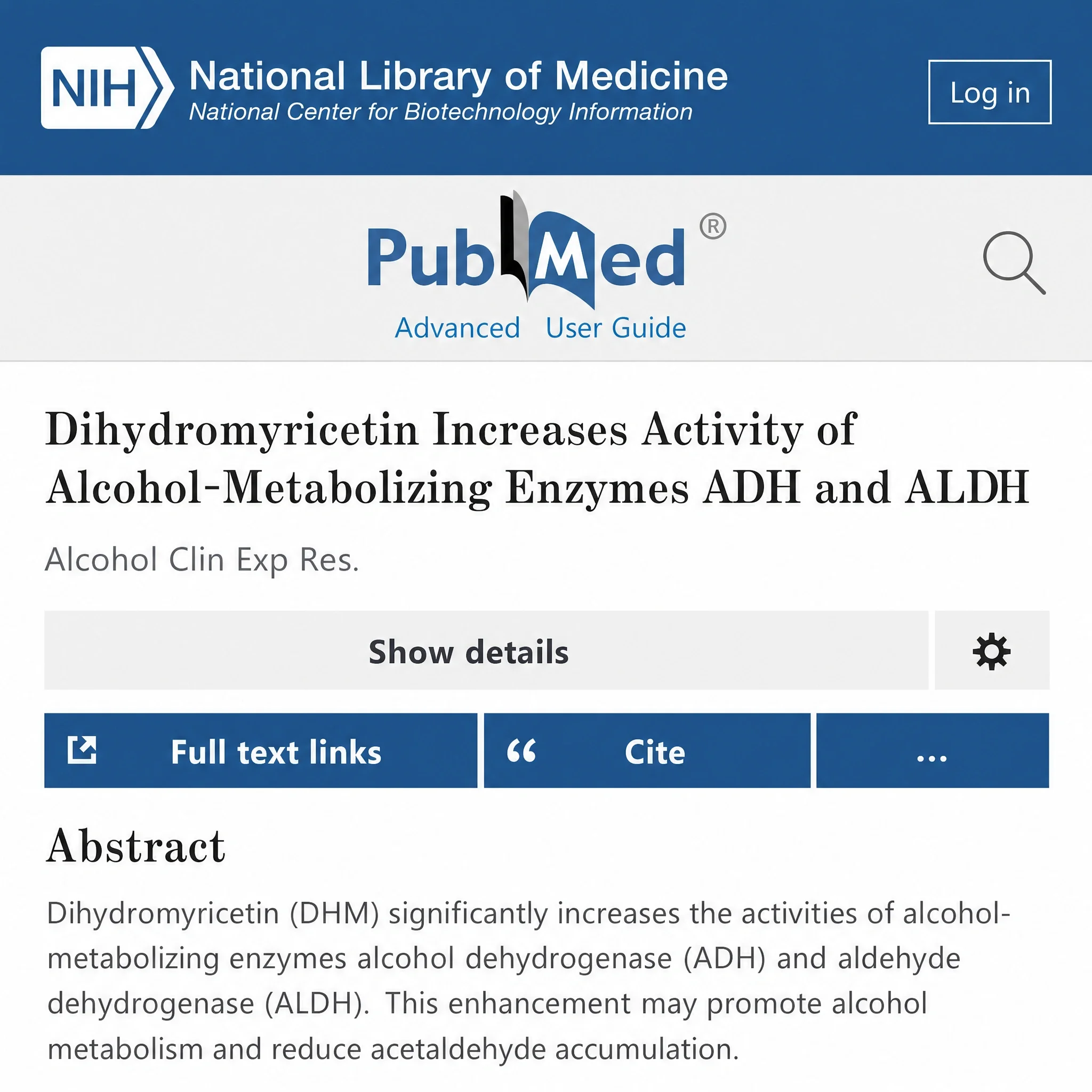
Studies published in Alcoholism: Clinical and Experimental Research found that DHM increases the activity of both ADH and ALDH, helping the liver clear alcohol and its byproducts faster.
Separate research in the journal Alcohol and in Toxicology Letters found DHM also restores the liver's own energy reserves and reactivates its natural antioxidant defenses.
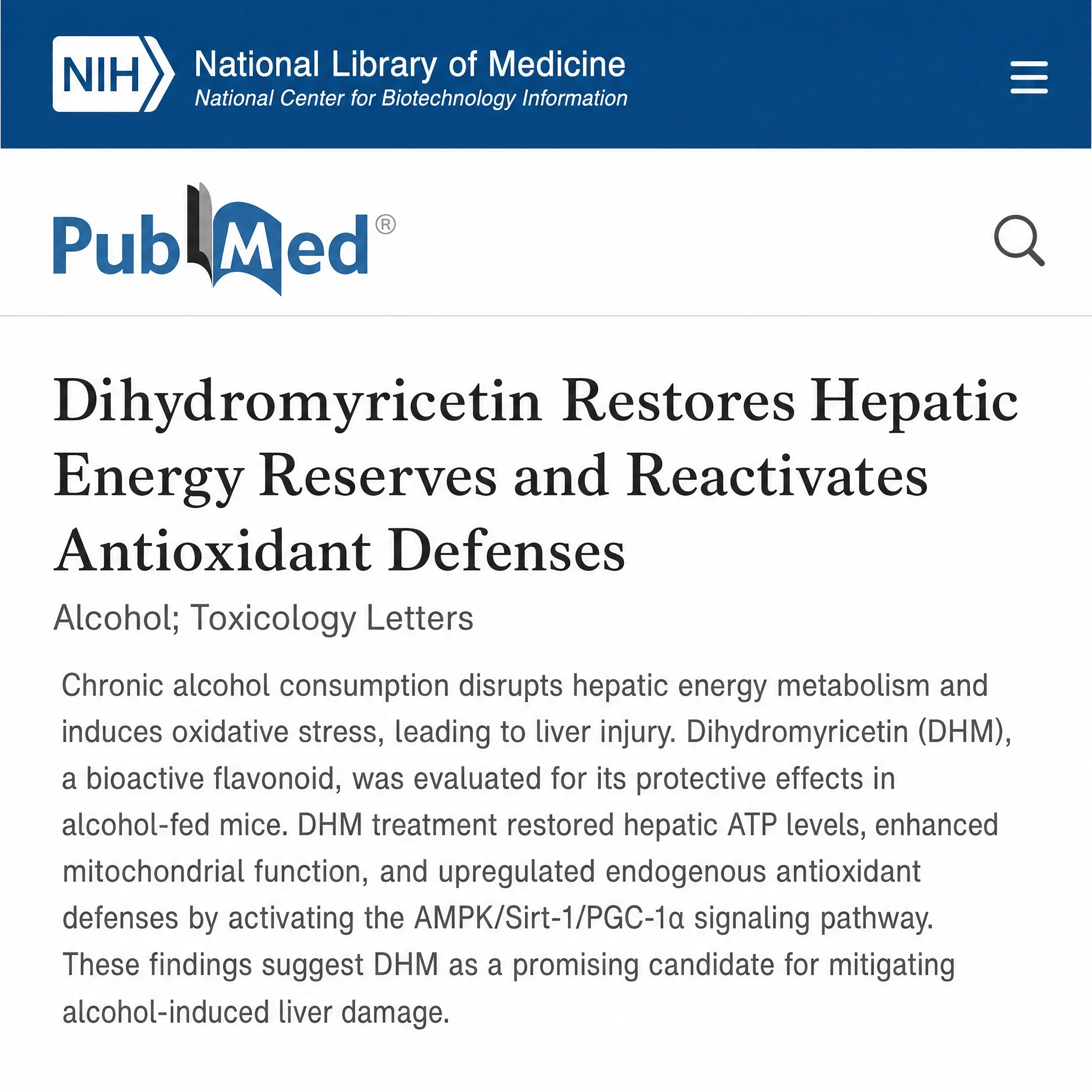
The systems alcohol shuts down every time you drink.
In the short term, that means faster processing.
Over repeated use, researchers say it supports the liver's ability to repair itself.
It Also Works On The Brain
Liver support was the headline finding, but researchers didn't stop there.
Alcohol floods the brain's GABA receptors, which is why you feel relaxed and social while drinking.
To compensate, the brain suppresses its own GABA activity.
When the alcohol wears off, that suppression doesn't reverse right away.
This leads to the racing mind, fragmented sleep, and low-grade dread that shows up around 3 a.m…

I call this "hangxiety."
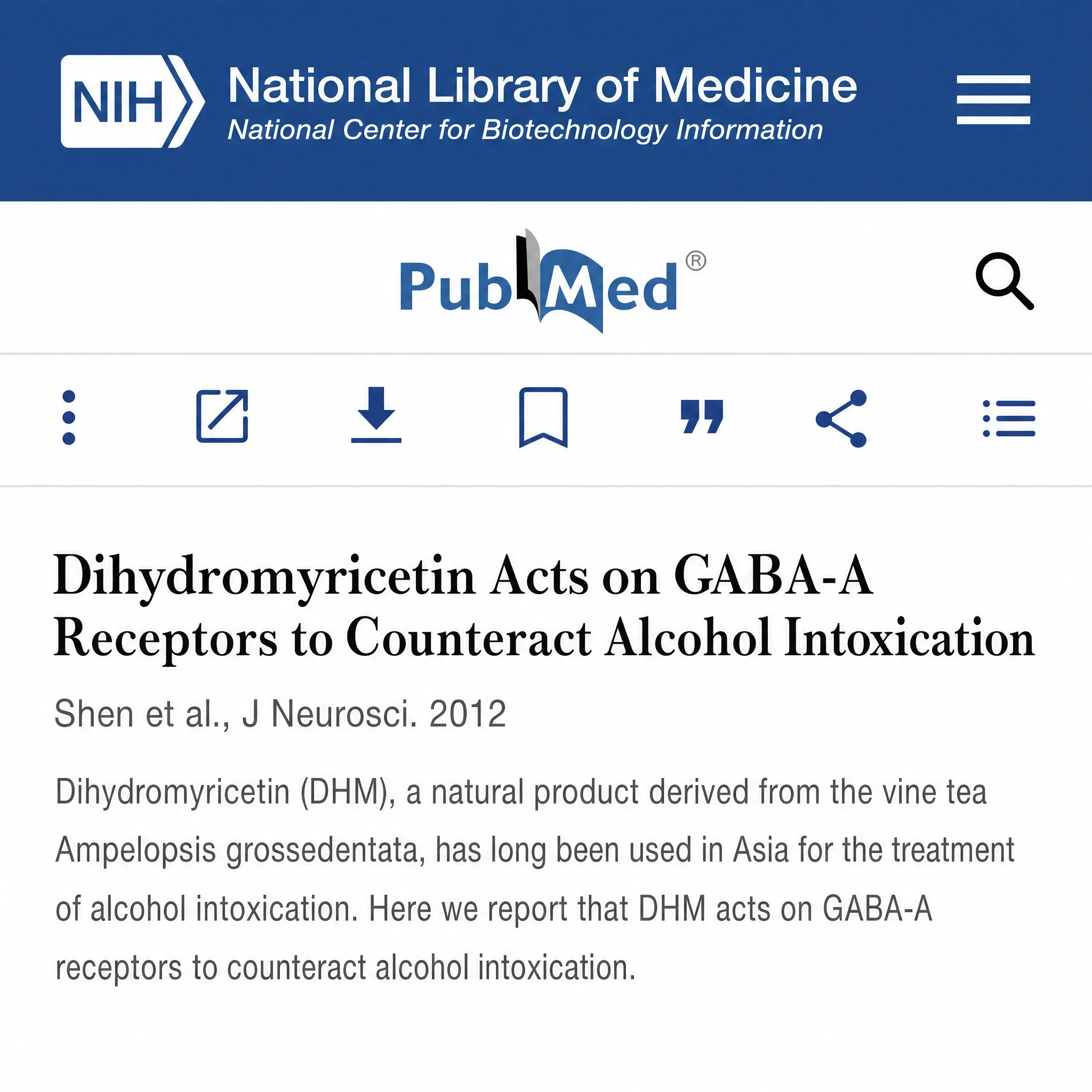
A study published in The Journal of Neuroscience (Shen et al., 2012) found DHM acts directly on GABA-A receptors, helping the nervous system return to baseline faster.
Less hangxiety, less fragmented sleep, and this time there's a mechanism behind it, not just a guess.
The Problem Researchers Ran Into
If the research is this strong, the obvious question is why DHM isn't already the standard.
The answer came down to absorption.
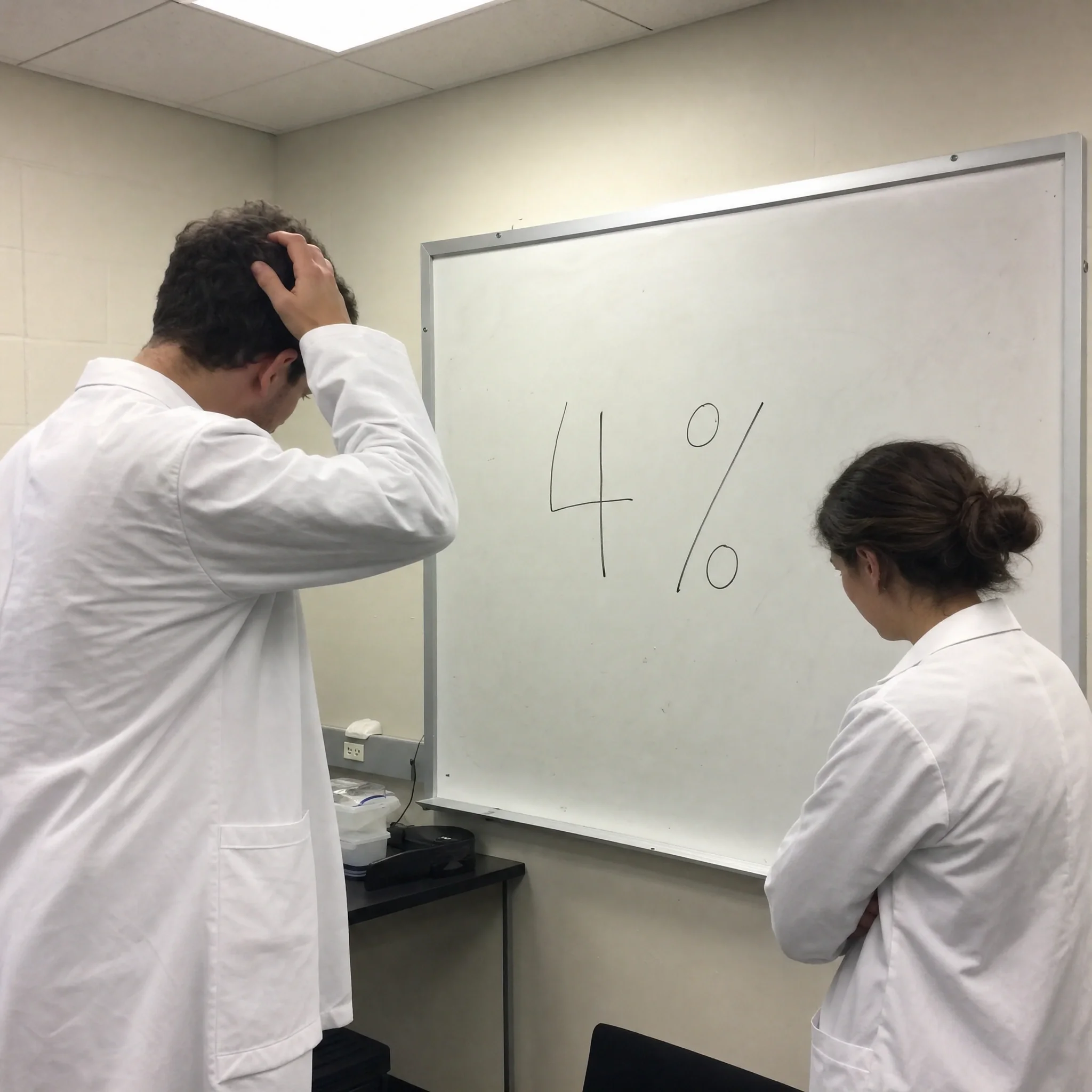
Taken as a standard pill or powder, only about 4% of DHM actually reaches the bloodstream.
The rest is digested and discarded before it can do anything.
The science was real. Getting it into the body was the hard part.
That's the exact problem a small supplement company called Drinking Buddies set out to fix.
A Delivery System Borrowed From Pharmaceuticals
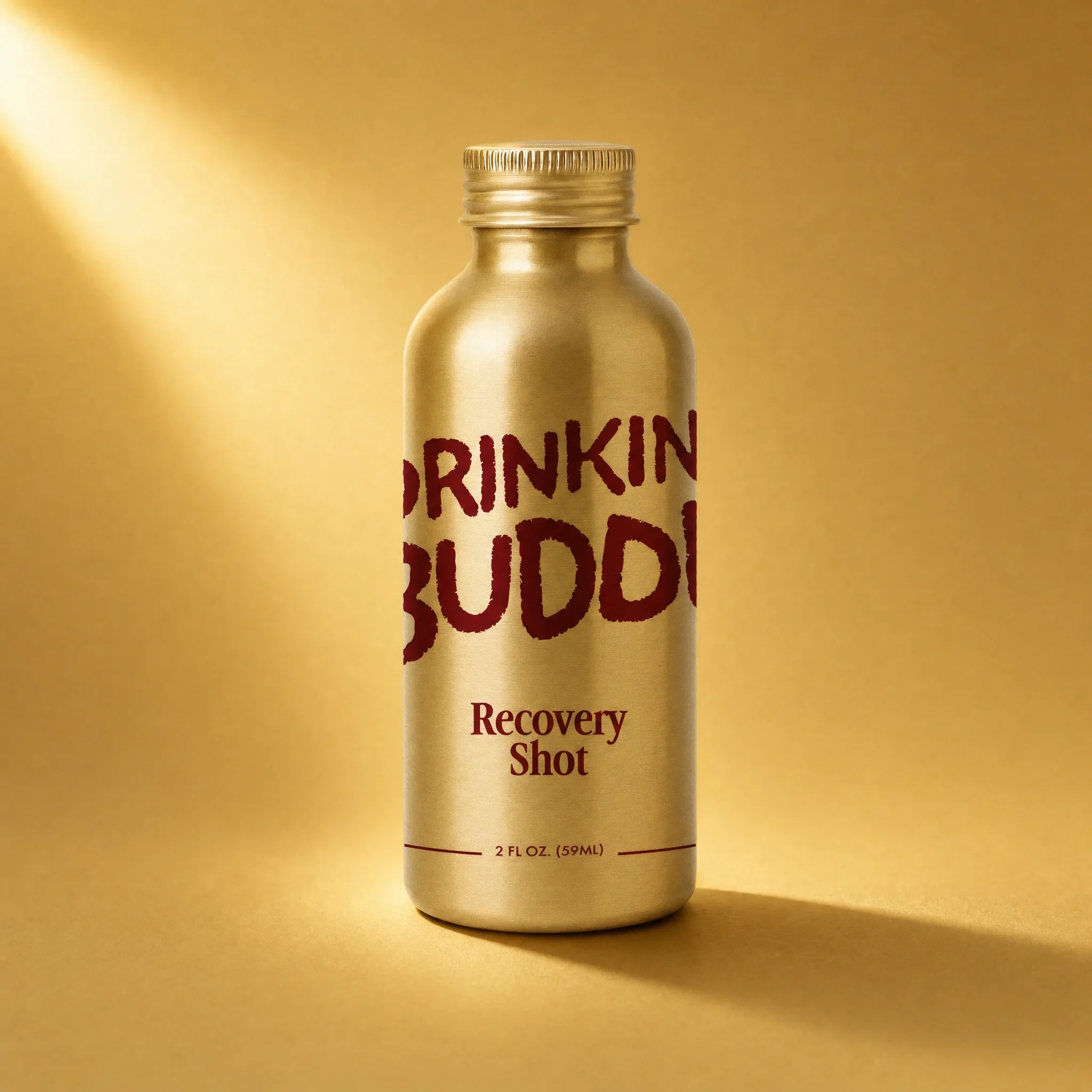
Drinking Buddies built its Recovery Shot around two decisions.
The first was format. A liquid shot absorbs faster than any capsule by default.
The second was more specific.
The formula uses hydroxypropyl beta-cyclodextrin, or HPβCD, a ring-shaped molecule already used in pharmaceutical drug delivery to make compounds water-soluble.
Research on structurally similar flavonoids found that HPβCD complexation increased bioavailability by as much as 9.4 times.
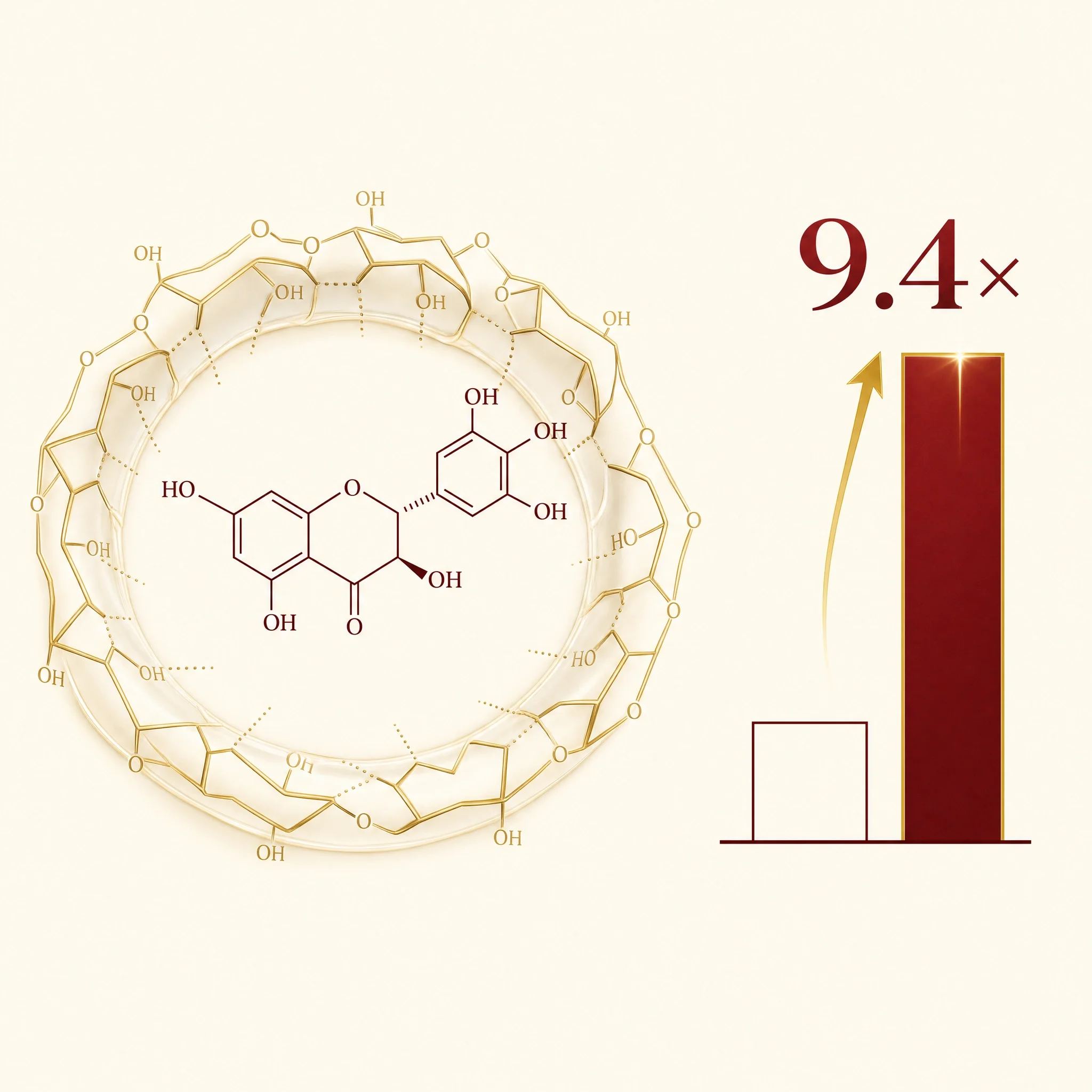
In plain terms: more of the DHM you take actually gets used.
Each 2 oz shot delivers 1,250 mg of DHM alongside 650 mg of N-Acetyl L-Cysteine, which builds glutathione, the liver's primary antioxidant, and helps clear acetaldehyde directly.
Milk thistle extract rounds out the liver support. L-Theanine and glycine are added to take the edge off GABA rebound and support deeper sleep.
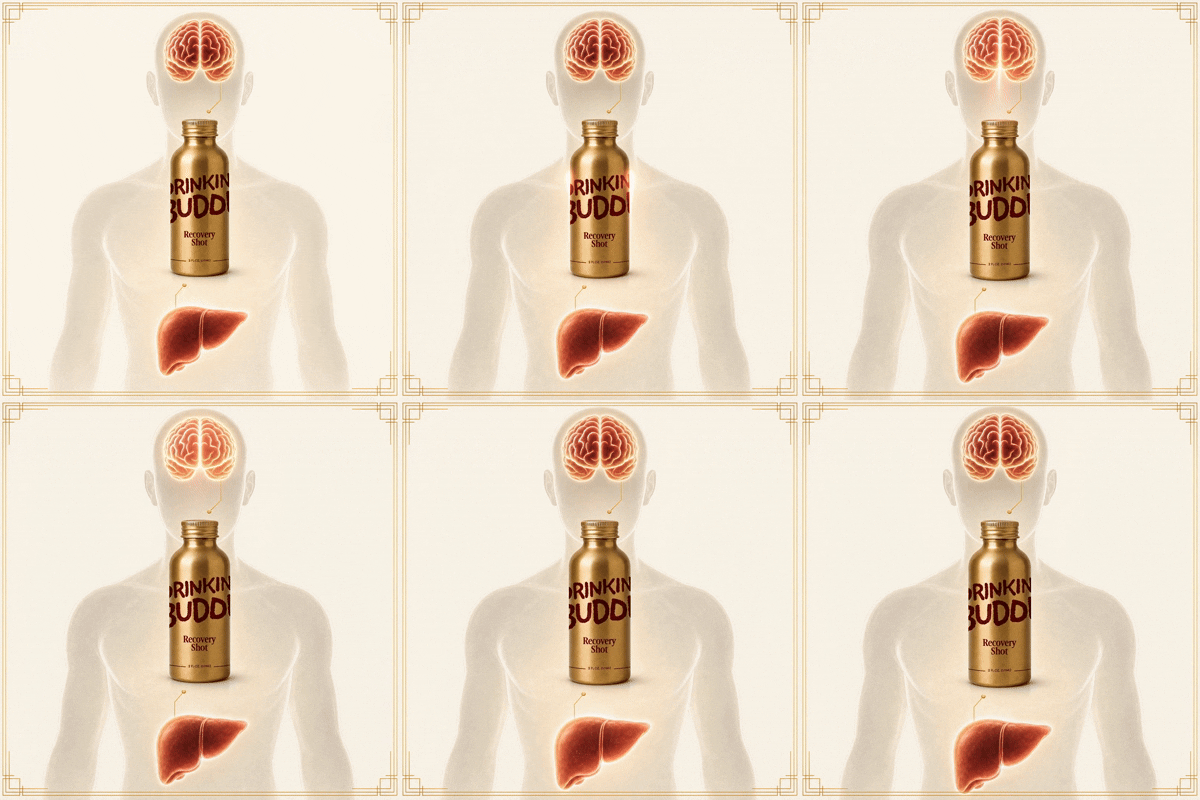
It's taken during or after drinking. No pre-drinking planning required.
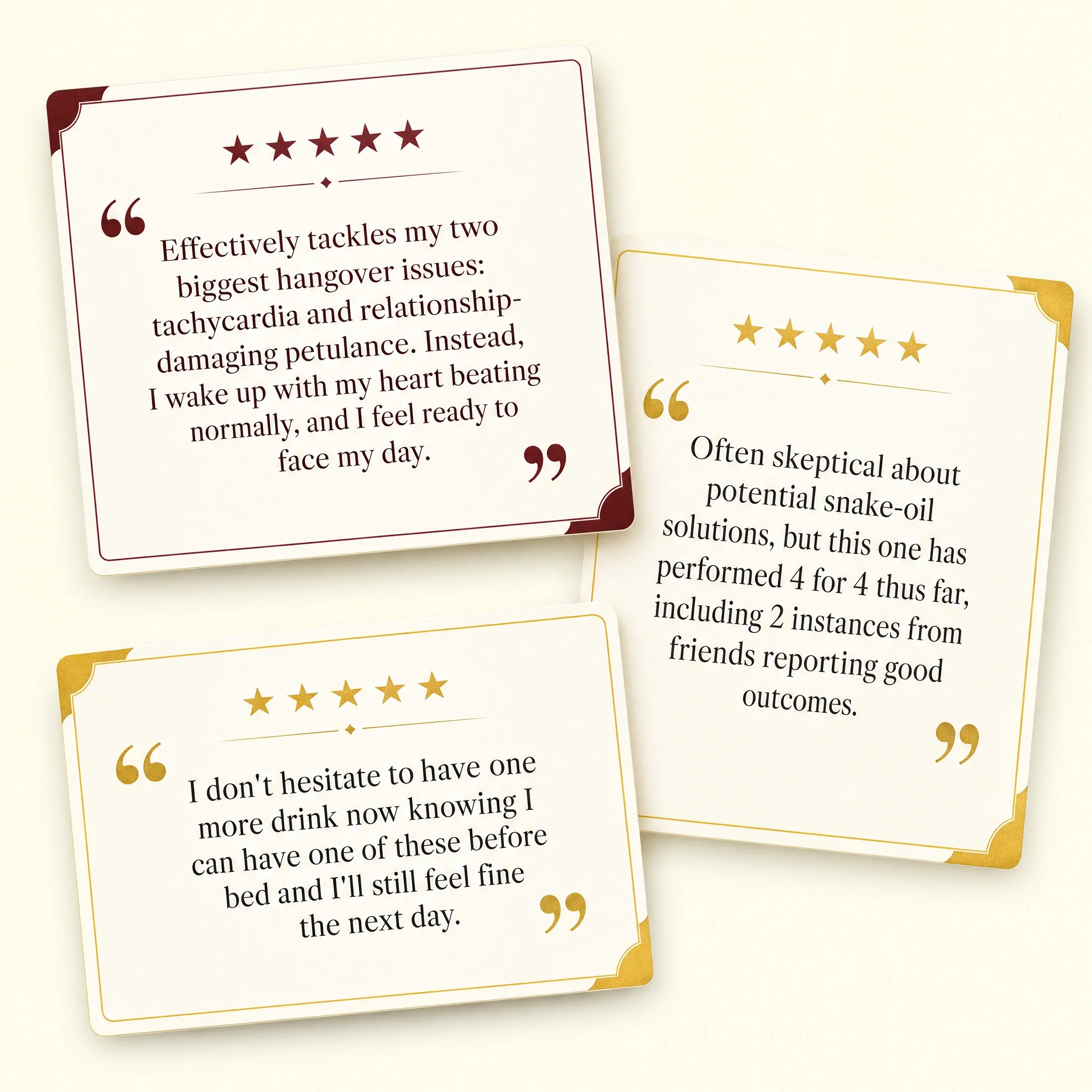
What People Are Saying
Who This Is Built For
DHM support is most relevant for people who:
Drink socially on a regular basis and want to protect long-term liver health
Deal with disrupted sleep or racing thoughts after drinking
Have tried electrolyte mixes or gut-focused shots without seeing real results
Want a recovery option that doesn't require planning ahead
Who Should Be Cautious
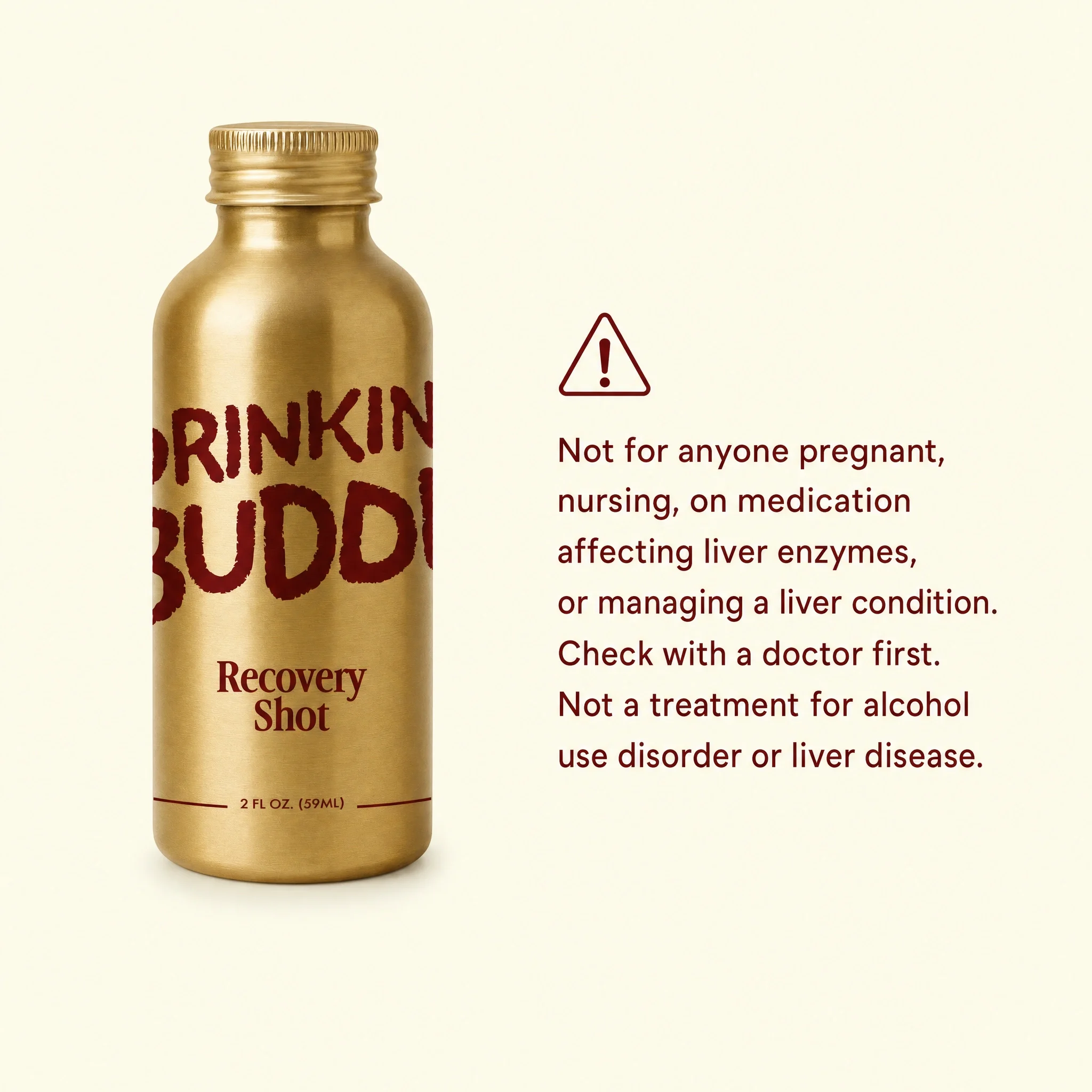
This is not intended for anyone who is pregnant, nursing, taking medication that interacts with liver enzymes, or managing a diagnosed liver condition.
As with any supplement, check with a doctor first if you fall into one of those categories.
Drinking Buddies is designed to support recovery.
It is not a treatment for alcohol use disorder or liver disease, and it doesn't reduce the health risks of drinking itself.
A Common Hangover Remedy Has Been Noted For Liver Protection
By Claire Whitfield
Health Correspondent | Published July 13, 2026
A recent university study on a compound called dihydromyricetin, or DHM, found something researchers weren't fully expecting.
The compound didn't just ease hangover symptoms.
It appeared to protect the liver during and after alcohol exposure.
That distinction matters more than it sounds like it should.
Most products marketed for "the morning after" are built around one idea: replace fluids.
Electrolyte mixes. Sports drinks. Powder packets you stir into water before bed.
They treat dehydration, but it is only a small piece of why people feel wrecked the next day.
Newer entrants like ZBiotics take a different route, targeting the gut with a genetically engineered probiotic taken before drinking.
Also useful. Still incomplete, because of where alcohol is actually processed.
Less than 5% of the alcohol you drink is actually processed in your gut.
The other 95% goes straight to your liver.
That's where the damage happens.
And until recently, it's the one part of the equation almost nothing on the shelf was built to address directly.
Researchers studying DHM believe that's the missing piece.
What DHM Actually Is
Dihydromyricetin is a flavonoid, a category of plant compound found in foods like grapes, blueberries, and mulberries.
The richest natural source is Hovenia dulcis, known as the Japanese Raisin Tree, native to East Asia.
Its stems and leaves can contain up to 30 to 40% pure DHM by weight.
Practitioners in East Asia have used it after drinking for centuries.
The first written record dates to 685 AD, during the Tang Dynasty.
What's changed is that modern researchers have started figuring out why it worked.
How It Works On The Liver
When you drink, your liver breaks alcohol down using two enzymes: ADH and ALDH.
The first step of that process creates a byproduct called acetaldehyde.
It's more toxic than the alcohol itself, and it's the primary reason you feel awful the next morning.
Studies published in Alcoholism: Clinical and Experimental Research found that DHM increases the activity of both ADH and ALDH, helping the liver clear alcohol and its byproducts faster.
Separate research in the journal Alcohol and in Toxicology Letters found DHM also restores the liver's own energy reserves and reactivates its natural antioxidant defenses.
The systems alcohol shuts down every time you drink.
In the short term, that means faster processing.
Over repeated use, researchers say it supports the liver's ability to repair itself.
It Also Works On The Brain
Liver support was the headline finding, but researchers didn't stop there.
Alcohol floods the brain's GABA receptors, which is why you feel relaxed and social while drinking.
To compensate, the brain suppresses its own GABA activity.
When the alcohol wears off, that suppression doesn't reverse right away.
This leads to the racing mind, fragmented sleep, and low-grade dread that shows up around 3 a.m…
I call this "hangxiety."
A study published in The Journal of Neuroscience (Shen et al., 2012) found DHM acts directly on GABA-A receptors, helping the nervous system return to baseline faster.
Less hangxiety, less fragmented sleep, and this time there's a mechanism behind it, not just a guess.
The Problem Researchers Ran Into
If the research is this strong, the obvious question is why DHM isn't already the standard.
The answer came down to absorption.
Taken as a standard pill or powder, only about 4% of DHM actually reaches the bloodstream.
The rest is digested and discarded before it can do anything.
The science was real. Getting it into the body was the hard part.
That's the exact problem a small supplement company called Drinking Buddies set out to fix.
A Delivery System Borrowed From Pharmaceuticals
Drinking Buddies built its Recovery Shot around two decisions.
The first was format. A liquid shot absorbs faster than any capsule by default.
The second was more specific.
The formula uses hydroxypropyl beta-cyclodextrin, or HPβCD, a ring-shaped molecule already used in pharmaceutical drug delivery to make compounds water-soluble.
Research on structurally similar flavonoids found that HPβCD complexation increased bioavailability by as much as 9.4 times.
In plain terms: more of the DHM you take actually gets used.
Each 2 oz shot delivers 1,250 mg of DHM alongside 650 mg of N-Acetyl L-Cysteine, which builds glutathione, the liver's primary antioxidant, and helps clear acetaldehyde directly.
Milk thistle extract rounds out the liver support. L-Theanine and glycine are added to take the edge off GABA rebound and support deeper sleep.
It's taken during or after drinking. No pre-drinking planning required.
What People Are Saying
Who This Is Built For
DHM support is most relevant for people who:
Drink socially on a regular basis and want to protect long-term liver health
Deal with disrupted sleep or racing thoughts after drinking
Have tried electrolyte mixes or gut-focused shots without seeing real results
Want a recovery option that doesn't require planning ahead
Who Should Be Cautious
This is not intended for anyone who is pregnant, nursing, taking medication that interacts with liver enzymes, or managing a diagnosed liver condition.
As with any supplement, check with a doctor first if you fall into one of those categories.
Drinking Buddies is designed to support recovery.
It is not a treatment for alcohol use disorder or liver disease, and it doesn't reduce the health risks of drinking itself.
A Common Hangover Remedy Has Been Noted For Liver Protection
By Claire Whitfield
Health Correspondent | Published July 13, 2026
A recent university study on a compound called dihydromyricetin, or DHM, found something researchers weren't fully expecting.
The compound didn't just ease hangover symptoms.
It appeared to protect the liver during and after alcohol exposure.
That distinction matters more than it sounds like it should.
Most products marketed for "the morning after" are built around one idea: replace fluids.
Electrolyte mixes. Sports drinks. Powder packets you stir into water before bed.
They treat dehydration, but it is only a small piece of why people feel wrecked the next day.
Newer entrants like ZBiotics take a different route, targeting the gut with a genetically engineered probiotic taken before drinking.
Also useful. Still incomplete, because of where alcohol is actually processed.
Less than 5% of the alcohol you drink is actually processed in your gut.
The other 95% goes straight to your liver.
That's where the damage happens.
And until recently, it's the one part of the equation almost nothing on the shelf was built to address directly.
Researchers studying DHM believe that's the missing piece.
What DHM Actually Is
Dihydromyricetin is a flavonoid, a category of plant compound found in foods like grapes, blueberries, and mulberries.
The richest natural source is Hovenia dulcis, known as the Japanese Raisin Tree, native to East Asia.
Its stems and leaves can contain up to 30 to 40% pure DHM by weight.
Practitioners in East Asia have used it after drinking for centuries.
The first written record dates to 685 AD, during the Tang Dynasty.
What's changed is that modern researchers have started figuring out why it worked.
How It Works On The Liver
When you drink, your liver breaks alcohol down using two enzymes: ADH and ALDH.
The first step of that process creates a byproduct called acetaldehyde.
It's more toxic than the alcohol itself, and it's the primary reason you feel awful the next morning.
Studies published in Alcoholism: Clinical and Experimental Research found that DHM increases the activity of both ADH and ALDH, helping the liver clear alcohol and its byproducts faster.
Separate research in the journal Alcohol and in Toxicology Letters found DHM also restores the liver's own energy reserves and reactivates its natural antioxidant defenses.
The systems alcohol shuts down every time you drink.
In the short term, that means faster processing.
Over repeated use, researchers say it supports the liver's ability to repair itself.
It Also Works On The Brain
Liver support was the headline finding, but researchers didn't stop there.
Alcohol floods the brain's GABA receptors, which is why you feel relaxed and social while drinking.
To compensate, the brain suppresses its own GABA activity.
When the alcohol wears off, that suppression doesn't reverse right away.
This leads to the racing mind, fragmented sleep, and low-grade dread that shows up around 3 a.m…
I call this "hangxiety."
A study published in The Journal of Neuroscience (Shen et al., 2012) found DHM acts directly on GABA-A receptors, helping the nervous system return to baseline faster.
Less hangxiety, less fragmented sleep, and this time there's a mechanism behind it, not just a guess.
The Problem Researchers Ran Into
If the research is this strong, the obvious question is why DHM isn't already the standard.
The answer came down to absorption.
Taken as a standard pill or powder, only about 4% of DHM actually reaches the bloodstream.
The rest is digested and discarded before it can do anything.
The science was real. Getting it into the body was the hard part.
That's the exact problem a small supplement company called Drinking Buddies set out to fix.
A Delivery System Borrowed From Pharmaceuticals
Drinking Buddies built its Recovery Shot around two decisions.
The first was format. A liquid shot absorbs faster than any capsule by default.
The second was more specific.
The formula uses hydroxypropyl beta-cyclodextrin, or HPβCD, a ring-shaped molecule already used in pharmaceutical drug delivery to make compounds water-soluble.
Research on structurally similar flavonoids found that HPβCD complexation increased bioavailability by as much as 9.4 times.
In plain terms: more of the DHM you take actually gets used.
Each 2 oz shot delivers 1,250 mg of DHM alongside 650 mg of N-Acetyl L-Cysteine, which builds glutathione, the liver's primary antioxidant, and helps clear acetaldehyde directly.
Milk thistle extract rounds out the liver support. L-Theanine and glycine are added to take the edge off GABA rebound and support deeper sleep.
It's taken during or after drinking. No pre-drinking planning required.
What People Are Saying
Who This Is Built For
DHM support is most relevant for people who:
Drink socially on a regular basis and want to protect long-term liver health
Deal with disrupted sleep or racing thoughts after drinking
Have tried electrolyte mixes or gut-focused shots without seeing real results
Want a recovery option that doesn't require planning ahead
Who Should Be Cautious
This is not intended for anyone who is pregnant, nursing, taking medication that interacts with liver enzymes, or managing a diagnosed liver condition.
As with any supplement, check with a doctor first if you fall into one of those categories.
Drinking Buddies is designed to support recovery.
It is not a treatment for alcohol use disorder or liver disease, and it doesn't reduce the health risks of drinking itself.
Try It Risk-Free
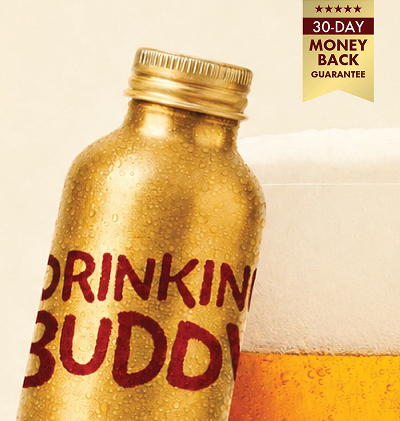
Drinking Buddies backs the Recovery Shot with a 30-day money-back guarantee.
If you don't notice a difference in how you feel the next morning, send it back for a full refund.
Use it after your next few nights out.
Try It Risk-Free
Drinking Buddies backs the Recovery Shot with a 30-day money-back guarantee.
If you don't notice a difference in how you feel the next morning, send it back for a full refund.
Use it after your next few nights out.
Try It Risk-Free
Drinking Buddies backs the Recovery Shot with a 30-day money-back guarantee.
If you don't notice a difference in how you feel the next morning, send it back for a full refund.
Use it after your next few nights out.
These statements have not been evaluated by the Food and Drug Administration. This product is not intended to diagnose, treat, cure, or prevent any disease. Individual results may vary. This article contains sponsored content.
These statements have not been evaluated by the Food and Drug Administration. This product is not intended to diagnose, treat, cure, or prevent any disease. Individual results may vary. This article contains sponsored content.
These statements have not been evaluated by the Food and Drug Administration. This product is not intended to diagnose, treat, cure, or prevent any disease. Individual results may vary. This article contains sponsored content.